 es
es  English
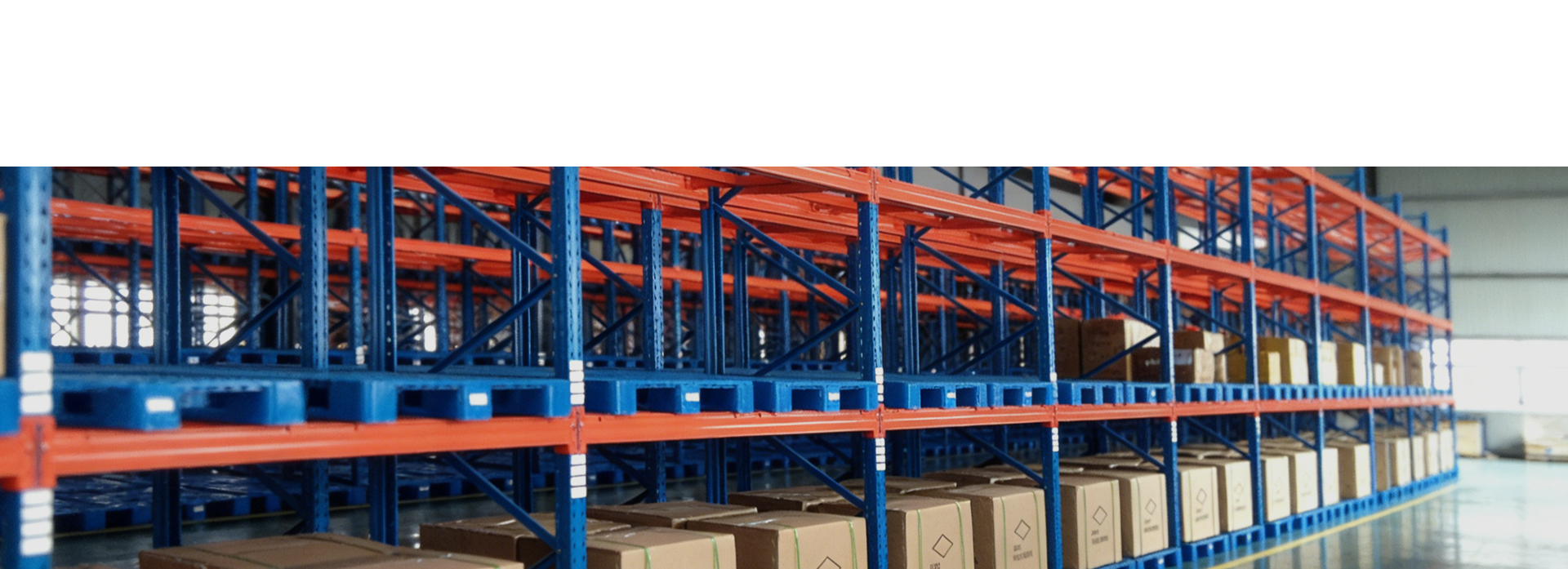
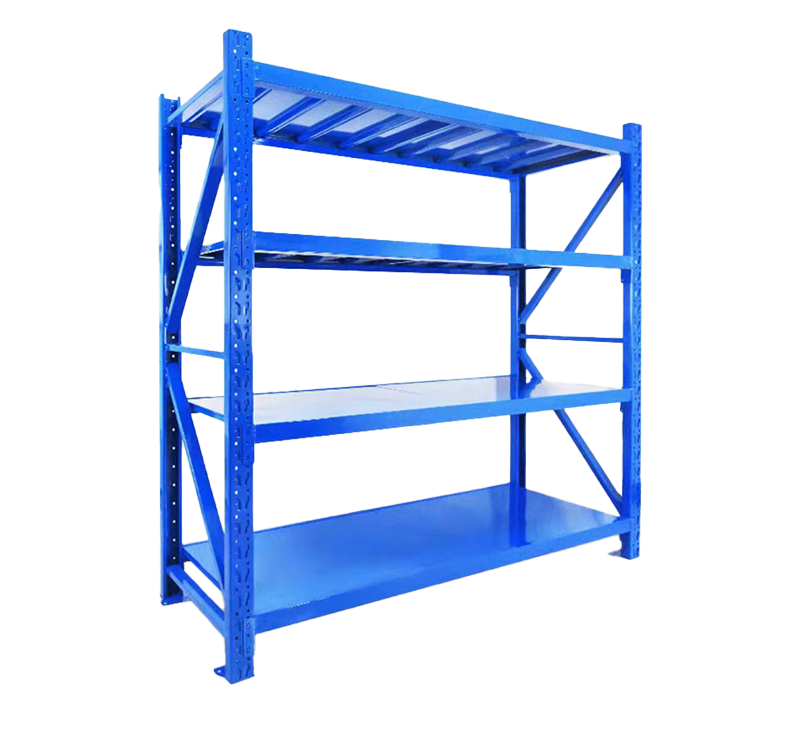

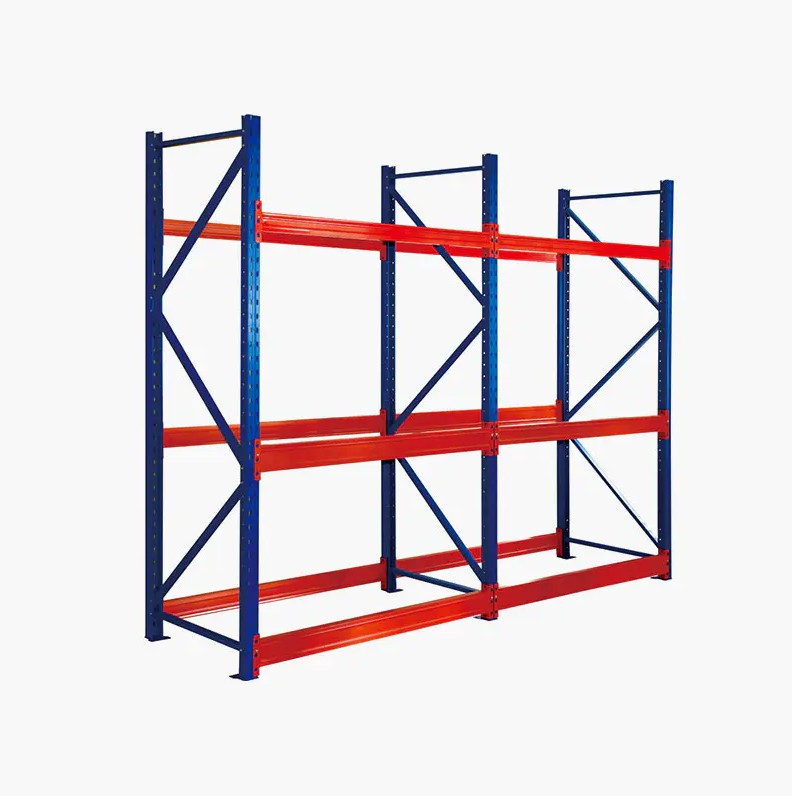
¿Qué es una estantería paletizada?
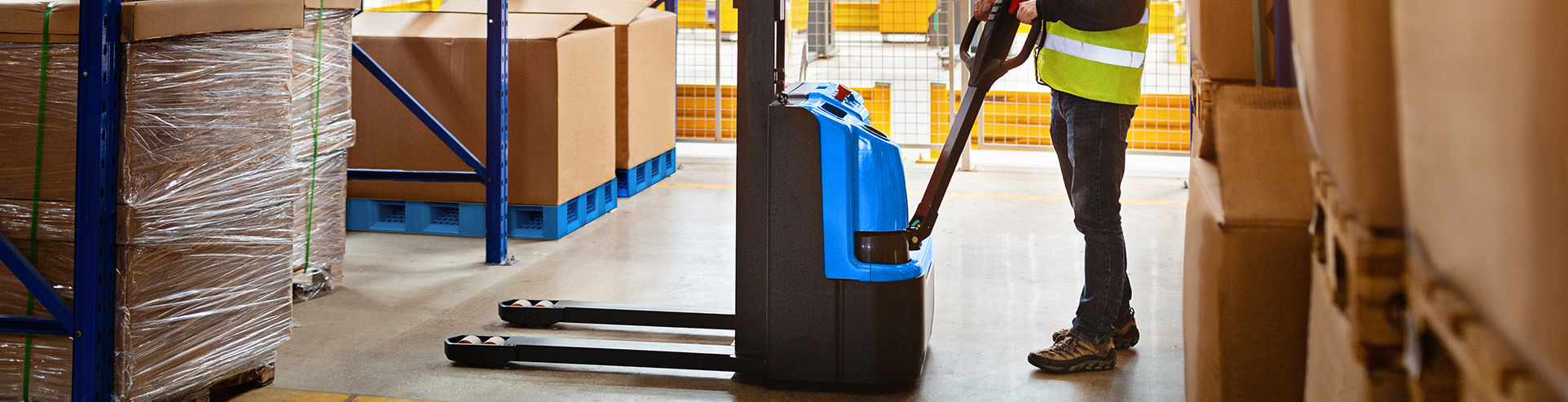
A estanterías para paletas El sistema es un marco de almacenamiento de materiales diseñado para contener mercancías dispuestas en paletas en múltiples niveles horizontales dentro de un almacén o instalación de distribución. Es la solución de almacenamiento más utilizada en el almacenamiento comercial en todo el mundo. , lo que permite a las instalaciones maximizar el espacio vertical, organizar el inventario de manera sistemática y proporcionar acceso con montacargas o carretillas retráctiles a cada paleta almacenada.
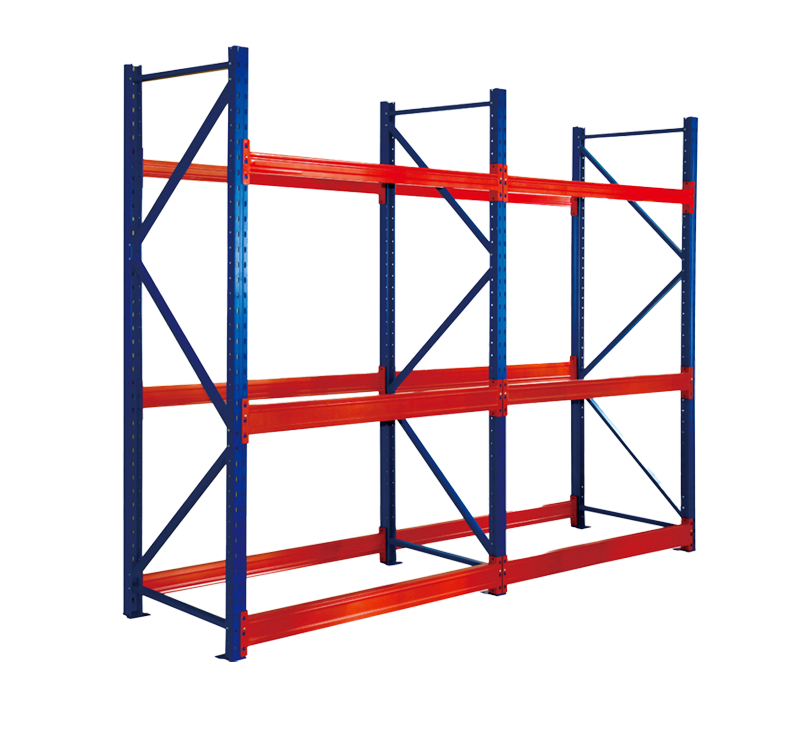
En su forma más básica, las estanterías para paletas consisten en marcos (columnas) de acero verticales, vigas de carga horizontales que se extienden entre los montantes y varios accesorios de seguridad y refuerzo. Los palés cargados con mercancías se colocan sobre las vigas mediante montacargas, creando filas organizadas y niveles de almacenamiento que se extienden hacia arriba a través de la altura disponible del almacén, alcanzando generalmente 6 a 12 metros o más en modernos almacenes de estanterías altas.
El objetivo fundamental de las estanterías paletizadas es transformar el espacio bruto en capacidad de almacenamiento volumétrico. Un almacén con una altura libre de 6 metros y un sistema de estanterías selectivas estándar puede almacenar de tres a cuatro veces más posiciones de palets que la misma superficie de piso utilizada para el apilamiento de piso de un solo nivel, lo que hace que las estanterías sean una de las inversiones de mayor impacto que puede realizar una operación logística.
Contenido
- 1 Componentes principales de un sistema de estanterías para paletas
- 2 Tipos de sistemas de estanterías para palets
- 3 Comparación de tipos de estanterías para palés
- 4 Industrias que dependen de las estanterías para paletas
- 5 Factores clave en el diseño y especificación de estanterías para paletas
- 6 Capacidad de carga de las estanterías paletizadas: cómo se calcula
- 7 Seguridad de las estanterías para paletas: inspección, mantenimiento y cumplimiento
- 8 Estanterías para paletas y utilización del espacio en el almacén
- 9 Instalación de estanterías para palés: pasos clave
- 10 Integración de estanterías paletizadas y automatización de almacenes
- 11 Acerca de Bingo: Soluciones de equipos de almacenamiento y logística
Componentes principales de un sistema de estanterías para paletas
Comprender los componentes estructurales de las estanterías para paletas ayuda a los operadores a especificar, instalar y mantener los sistemas correctamente. Cada elemento desempeña un papel definido en el recorrido de carga desde los productos almacenados hasta el suelo del almacén.
Marcos verticales
Los marcos verticales son la columna vertebral vertical de la estructura de estanterías. Cada marco consta de dos columnas verticales conectadas por refuerzos horizontales y diagonales para formar un panel rígido. Se fabrican en varias alturas (normalmente de 3 a 12 metros), profundidades (de 600 mm a 1100 mm) y perfiles de sección (normalmente de sección en C o de acero de sección abierta) para adaptarse a diferentes requisitos de carga y altura. El perfil de la columna vertical determina la capacidad de carga del sistema de estanterías. — los perfiles más pesados soportan cargas más elevadas y resisten mayores fuerzas de flexión debidas al impacto.
Vigas de carga
Las vigas de carga son miembros horizontales de acero que conectan pares de marcos verticales y soportan directamente la carga de la plataforma. Están disponibles en diferentes longitudes (normalmente de 1800 mm a 3600 mm) y profundidades de sección para adaptarse a tramos de paletas simples, dobles o triples. Las vigas se conectan a los marcos verticales mediante un clip de seguridad o un sistema de conector de bloqueo, lo que permite el ajuste de altura en incrementos estándar de 50 mm o 75 mm para adaptarse a diferentes alturas de paletas y productos sin herramientas.
Niveles de haz y configuración de bahía
Una única bahía de estantería consta de dos marcos verticales con un conjunto de vigas de carga en cada nivel de almacenamiento. El número de niveles de vigas por tramo está determinado por la altura del marco y el espacio libre requerido sobre cada palet. Un marco vertical típico de 6 metros con paletas estándar de 1200 mm de altura puede acomodar tres o cuatro niveles de haz , cada uno con capacidad para uno, dos o tres palés, según la longitud de la viga y las dimensiones del palé.
Placas base y anclajes de piso
Cada marco vertical se asienta sobre una placa base que distribuye la carga puntual en la losa del piso del almacén. Las placas de base se anclan al piso con anclajes químicos o mecánicos especificados por un ingeniero estructural según las cargas de las estanterías y las especificaciones de la losa de concreto. Un anclaje correcto al suelo es un requisito crítico para la seguridad y es obligatorio según los estándares de instalación de estanterías en la mayoría de los mercados.
Accesorios de seguridad y protección
Una instalación de estanterías completamente especificada incluye una gama de accesorios de seguridad: protectores de columnas y protectores de final de pasillo para absorber los impactos de los montacargas, espaciadores de filas para mantener anchos consistentes de pasillos espalda con espalda, barras de soporte de paletas o plataformas de alambre para tamaños de paletas no estándar, pasadores de seguridad en conectores de vigas y señales de carga que muestran la carga máxima permitida por bahía y por nivel. Estos componentes son esenciales tanto para la seguridad estructural como para el cumplimiento normativo.
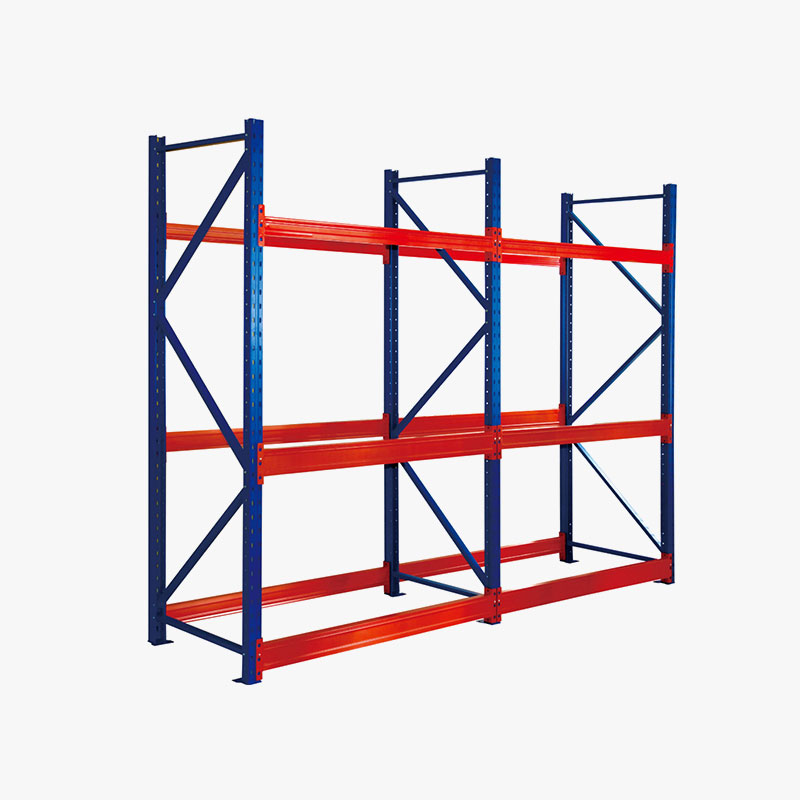
Tipos de sistemas de estanterías para palets
Las estanterías para paletas no son un solo producto: son una familia de sistemas de almacenamiento, cada uno de los cuales está diseñado para un equilibrio diferente de densidad de almacenamiento, selectividad, rendimiento del producto y compatibilidad de los equipos de manipulación. Seleccionar el tipo correcto es fundamental para la eficiencia del almacén.
Estanterías selectivas para palets
Las estanterías selectivas son el tipo más común en todo el mundo y se caracterizan por un almacenamiento de palets de una sola profundidad con acceso directo a cada posición de palets desde el pasillo. ofrece 100% selectividad — cualquier palet se puede recuperar sin mover otro, lo que lo hace ideal para operaciones con un alto número de SKU, inventario mixto o requisitos de rotación de primero en entrar, primero en salir (FIFO). Su simplicidad, flexibilidad y compatibilidad con los montacargas de contrapeso y alcance estándar lo convierten en la opción predeterminada para la mayoría de las aplicaciones de almacenamiento generales.
Estanterías de doble profundidad
Las estanterías de doble profundidad almacenan palets con dos posiciones de profundidad por carril, a las que se accede desde un pasillo mediante una carretilla retráctil de doble profundidad. Esta configuración aumenta la densidad de almacenamiento en aproximadamente Del 30 al 40 % en comparación con las estanterías selectivas de profundidad simple reduciendo el número de pasillos necesarios, a costa de una menor selectividad: el palet trasero de cada carril sólo es accesible después de que se haya retirado el palet delantero. Se adapta a operaciones con múltiples paletas del mismo SKU y requisitos de rendimiento moderados.
Estanterías Autocine y Drive-Through
Las estanterías drive-in permiten que las carretillas elevadoras penetren directamente en la estructura de las estanterías para colocar o recuperar paletas sobre guías de rieles continuos. Los carriles pueden ser 5 a 10 o más paletas de profundidad , lo que la convierte en la opción de estantería estática de mayor densidad para el almacenamiento a granel de productos homogéneos. Las estanterías drive-in funcionan según el principio de último en entrar, primero en salir (LIFO) (un pasillo de acceso por carril), mientras que las estanterías drive-through tienen pasillos de acceso en ambos extremos de cada carril, lo que permite la rotación FIFO. Estos sistemas se utilizan comúnmente en instalaciones de almacenamiento en frío y almacenes de alimentos a granel donde se almacena una pequeña cantidad de SKU en cantidades muy grandes.
Estanterías de empuje
Las estanterías push-back utilizan un sistema de carro y riel dentro de cada carril, generalmente 2 a 5 paletas de profundidad . Cuando se carga un nuevo palé, empuja los palés existentes hacia atrás sobre carros inclinados. Cuando se retira la paleta delantera, las paletas restantes ruedan hacia adelante por gravedad. Este sistema combina una densidad de almacenamiento razonable con acceso LIFO desde una sola cara, utilizando carretillas retráctiles estándar sin accesorios especiales.
Estanterías de flujo de paletas
Las estanterías de flujo de paletas (o de flujo por gravedad) utilizan carriles de rodillos o ruedas inclinados que permiten que las paletas fluyan por gravedad desde el extremo de carga hasta la cara de recolección. Los palés se cargan por la parte trasera y se recuperan por la parte delantera, lo que proporciona verdadera rotación FIFO automáticamente sin ninguna intervención del operador. Este sistema es particularmente eficaz para bienes perecederos, productos farmacéuticos y productos con estrictos requisitos de rotación de fechas. Se pueden alcanzar profundidades de carril de 10 a 20 posiciones de palés, lo que proporciona una densidad de almacenamiento muy alta.
Estanterías voladizas
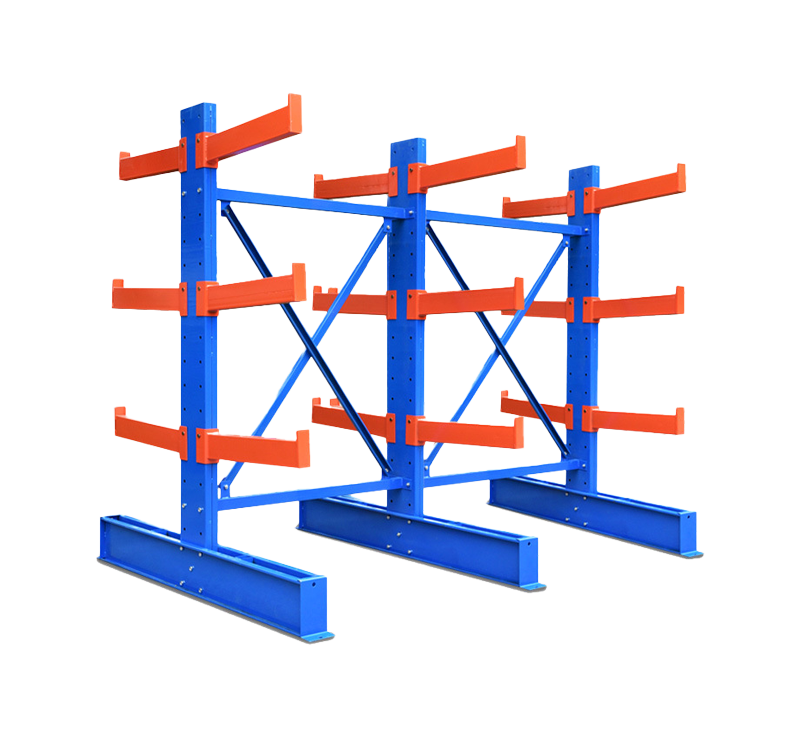
Las estanterías cantiléver utilizan brazos horizontales que se proyectan desde una columna central en lugar de módulos cerrados con vigas, lo que las hace ideales para almacenar artículos largos y de forma irregular que no encajarían en módulos de estanterías convencionales, como madera, barras de acero, tuberías, muebles y materiales laminados. Si bien no es un sistema de estanterías para palés en el sentido convencional, es un complemento fundamental para el almacenamiento de palés en muchas instalaciones de distribución y almacenes de fabricación.
Estanterías móviles para paletas
Las estanterías móviles montan bahías de estanterías selectivas estándar sobre bases motorizadas que se mueven sobre rieles del piso, compactando toda la instalación de estanterías en un solo bloque móvil cuando no están en uso. Solo hay un pasillo abierto a la vez, lo que elimina todos los pasillos menos uno del plano de planta y aumenta la capacidad de almacenamiento al hasta un 80% en comparación con las estanterías selectivas estáticas en la misma superficie del piso. Las estanterías móviles se utilizan ampliamente en archivos, cámaras frigoríficas y almacenes de mercancías de alto valor, donde la eficiencia del espacio justifica el mayor coste del sistema.
Comparación de tipos de estanterías para palés
La siguiente tabla resume las características clave de los tipos de estanterías para paletas más comunes para guiar la selección del sistema en función de las prioridades operativas.
| Tipo de estantería | Densidad de almacenamiento | Selectividad | Rotación de existencias | Mejor aplicación |
|---|---|---|---|---|
| selectivo | moderado | 100% | FIFO/LIFO | Almacenamiento general, alto número de SKU |
| Doble profundidad | Alto | 50% | LIFO | Recuento medio de SKU, múltiples palés por SKU |
| Drive-In | muy alto | Bajo | LIFO | Productos homogéneos a granel, cámaras frigoríficas. |
| Flujo de paletas | muy alto | Bajo | FIFO (automático) | Productos perecederos, farmacéuticos y de fecha crítica |
| Empuje hacia atrás | Alto | moderado | LIFO | moderado SKU count, standard reach trucks |
| Móvil | Máximo | 100% | FIFO/LIFO | Cámaras frigoríficas, archivos, mercancías de alto valor. |
Industrias que dependen de las estanterías para paletas
Las estanterías para palés son una herramienta de almacenamiento universal implementada en prácticamente todos los sectores de la economía moderna. Su escalabilidad y adaptabilidad lo hacen adecuado para operaciones que van desde pequeños centros de distribución regional hasta enormes instalaciones de cumplimiento automatizadas que cubren cientos de miles de metros cuadrados.
- Distribución minorista y comercio electrónico: Las instalaciones de alto rendimiento con miles de SKU dependen de estanterías selectivas para el acceso directo a cada producto, lo que respalda los ciclos rápidos de preparación de pedidos y reabastecimiento requeridos por los modelos de entrega al día siguiente y el mismo día.
- Alimentos y bebidas: Los almacenes de alimentos a temperatura ambiente, refrigerados y congelados utilizan estanterías para paletas configuradas para rotación FIFO para gestionar el inventario de productos perecederos. Los entornos de almacenamiento frigorífico hacen que la eficiencia espacial de las estanterías drive-in o dinámicas sea especialmente valiosa, ya que refrigerar el espacio no utilizado de los pasillos es caro.
- Productos farmacéuticos y sanitarios: Los estrictos requisitos reglamentarios para la trazabilidad de los productos y la rotación de fechas hacen que las estanterías dinámicas de paletas sean el estándar en la distribución farmacéutica. Las configuraciones de estanterías limpias y accesibles también respaldan el cumplimiento de los estándares de Buenas Prácticas de Distribución (GDP).
- Automoción y fabricación: Los almacenes de componentes que respaldan las líneas de producción requieren un acceso confiable e inmediato a piezas y subconjuntos, a menudo en un modelo JIT (justo a tiempo). Las estanterías selectivas con configuraciones de pasillos estrechos maximizan la capacidad dentro del espacio limitado de las tiendas adyacentes a las fábricas.
- Logística de terceros (3PL): Los proveedores de logística por contrato requieren sistemas de estanterías flexibles que puedan reconfigurarse a medida que evolucionan los contratos de los clientes y las gamas de productos. La capacidad de ajuste de las estanterías selectivas y su amplia compatibilidad con diferentes equipos de manipulación las convierten en la opción dominante para instalaciones 3PL de múltiples clientes.
- Materiales de construcción y suministro de construcción: Los productos de formato largo, como madera, tubos y perfiles, requieren estanterías cantilever, mientras que los materiales ensacados o paletizados utilizan estanterías para palés convencionales. Muchos constructores, comerciantes y distribuidores de construcción operan ambos tipos de sistemas en la misma instalación.
Factores clave en el diseño y especificación de estanterías para paletas
La instalación de estanterías paletizadas es un sistema estructural, no un mueble disponible en el mercado. La especificación correcta requiere un análisis sistemático del entorno del almacén, los bienes que se almacenarán y el equipo de manipulación que se utilizará.
Dimensiones de paleta y carga
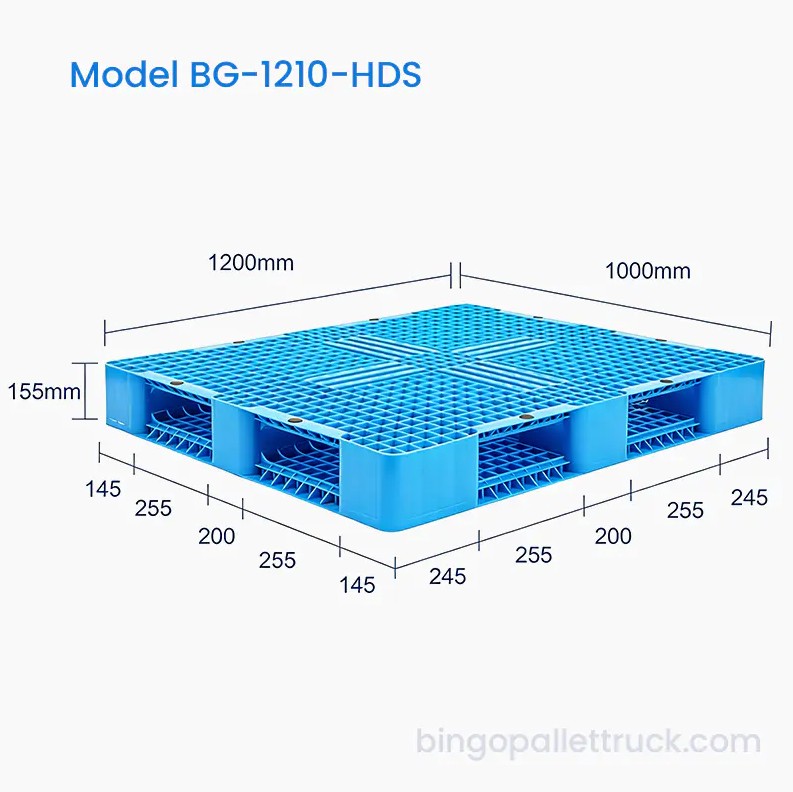
Las dimensiones del palet, normalmente 1.200 × 800 mm (palet europeo) o 1.200 × 1.000 mm (palet industrial), determinan la longitud mínima de la viga y la profundidad del marco requeridas. La altura y el peso de la plataforma cargada determinan el espaciamiento entre los niveles de las vigas y la viga y la sección vertical necesarias para transportar la carga. Las cargas típicas de palés oscilan entre 500 kg y 1500 kg. , con sistemas de estanterías para cargas pesadas que admiten cargas superiores a los 3.000 kg por puesto de palet.
Altura libre del almacén y carga en el suelo
La altura libre disponible debajo de la obstrucción estructural más baja (viga del techo, tuberías de rociadores o iluminación) determina la altura máxima del estante. Las instalaciones de estanterías deben mantener un espacio mínimo entre el nivel de la viga superior y la estructura del edificio; normalmente 500 mm a 1.000 mm para la extinción de incendios y la eficacia de la iluminación. Un ingeniero estructural también debe evaluar la losa del piso del almacén para confirmar que puede soportar las cargas puntuales impuestas por las placas base de las estanterías bajo carga completa.
Compatibilidad con montacargas y equipos de manipulación
El ancho de los pasillos está directamente determinado por el radio de giro y la altura del mástil del equipo de manipulación. Los montacargas contrapesados estándar requieren pasillos de trabajo de 3.500 mm a 4.000 mm , mientras que las carretillas retráctiles operan en pasillos de 2.700 mm a 3.200 mm. Las carretillas de pasillo estrecho (NA) y de pasillo muy estrecho (VNA) pueden trabajar en pasillos tan estrechos como entre 1.800 mm y 2.200 mm, lo que aumenta significativamente la proporción de superficie dedicada al almacenamiento en lugar de a la circulación. La elección del equipo de manipulación debe realizarse junto con el diseño del sistema de estanterías, no después.
Integración de sistemas de rociadores y seguridad contra incendios
Las instalaciones de estanterías para paletas deben cumplir con las normas de seguridad contra incendios que cubren los requisitos de rociadores en las estanterías, las disposiciones sobre espacios de chimenea entre filas de estanterías consecutivas y la clasificación de riesgo de incendio de los productos almacenados. En muchas jurisdicciones, los estantes por encima de cierta altura requieren cabezales de rociadores en los estantes en niveles intermedios, y el diseño de los estantes debe proporcionar espacios despejados para los conductos de humos, generalmente Espacios libres de 75 a 150 mm entre filas de marcos consecutivas, para permitir que el calor y los gases suban a los sistemas de detección a nivel del techo en caso de incendio.
Capacidad de carga de las estanterías paletizadas: cómo se calcula
La capacidad de carga en estanterías para paletas se expresa en tres niveles: por posición de paleta (el peso máximo que una sola paleta y su carga pueden colocar en un par de vigas), por nivel de viga (la carga total en todas las posiciones de paleta en un par de vigas) y por bahía (la carga total en todos los niveles de vigas dentro de una bahía de marco vertical). La sobrecarga de cualquiera de estos tres niveles supone un riesgo grave para la seguridad estructural. y es una de las principales causas de colapso de estanterías en almacenes en todo el mundo.
Las capacidades de carga las determina el fabricante de las estanterías mediante cálculos de ingeniería y pruebas físicas de acuerdo con normas como EN 15512 (Europa), RMI (Norteamérica) o AS 4084 (Australia). Cada módulo de estanterías instalado deberá exhibir un aviso de carga que especifique la carga máxima permitida por nivel de viga y por módulo. Estos avisos de carga son un requisito de seguridad obligatorio según la mayoría de las normas nacionales sobre estanterías y normas de seguridad en el lugar de trabajo.
Los factores que reducen la capacidad de carga efectiva de un sistema de estanterías por debajo de su máximo teórico incluyen daños en los montantes por el impacto de un montacargas, falta de pasadores de seguridad en los conectores de las vigas, ajustes incorrectos de la altura de las vigas y fallas en los anclajes del piso. La inspección regular y la reparación rápida de los componentes dañados son esenciales para mantener el sistema a su capacidad nominal.
Seguridad de las estanterías para paletas: inspección, mantenimiento y cumplimiento
Las estanterías para palés son un sistema estructural sujeto a tensiones mecánicas continuas debidas a la carga, descarga y al contacto incidental de las carretillas elevadoras. Un programa proactivo de inspección y mantenimiento no es opcional: es una obligación legal y de seguridad en la mayoría de los entornos operativos.
Intervalos de inspección regulares
- Controles visuales diarios: Los operarios del almacén deben informar de inmediato a los supervisores los daños visibles (montantes doblados, vigas desalojadas, pasadores de seguridad faltantes o protectores de columnas desplazados).
- Inspecciones documentadas semanales: Un inspector de estanterías interno capacitado debe realizar un recorrido sistemático por todos los compartimentos de estanterías y registrar cualquier daño mediante un sistema de código de colores estandarizado (Verde = seguro, Ámbar = monitorear/reparar pronto, Rojo = retirar del servicio inmediatamente).
- Inspección pericial anual: Un inspector de estanterías cualificado (acreditado por SEMA en el Reino Unido o normas nacionales equivalentes) debe realizar una inspección independiente exhaustiva de toda la instalación de estanterías al menos una vez al año, proporcionando un informe escrito y las acciones correctivas recomendadas.
Umbrales de daño para columnas verticales
La forma más común de daño a las estanterías es la deformación de las columnas verticales debido al impacto de una carretilla elevadora al nivel del suelo. La mayoría de las normas sobre estanterías especifican que un montante con una deformación visible (arco o curvatura) superior 3 mm en 300 mm de longitud de columna debe retirarse de servicio inmediatamente y reemplazarse antes de volver a utilizar la bahía. Incluso los impactos menores y repetidos acumulan daños por fatiga que no son visibles a simple vista, lo que hace que una inspección profesional sea esencial.
Estanterías para paletas y utilización del espacio en el almacén
Uno de los argumentos más convincentes a favor de las estanterías para palés es la mejora mensurable en la utilización del espacio que ofrecen. En un almacén típico, la relación entre el área de almacenamiento y la superficie total del piso (y la proporción del volumen total del edificio realmente ocupado por los productos almacenados) son métricas clave para evaluar la eficiencia de las instalaciones.
Un almacén que utilice únicamente apilamiento en bloques a nivel del piso a una altura máxima segura de apilamiento de 2 paletas podría lograr una densidad de almacenamiento de aproximadamente 0,8 palets por metro cuadrado de superficie . La instalación de un sistema de estanterías selectivas de 6 metros en el mismo espacio, con pasillos estándar para carretillas retráctiles de 2.700 mm, puede aumentar este espacio a 2,5 a 3,5 palets por metro cuadrado — triplicar con creces la capacidad de almacenamiento efectiva del edificio sin ningún cambio en su huella.
Los sistemas automatizados de almacenamiento y recuperación (AS/RS) de estanterías altas que utilizan estanterías de hasta 40 metros de altura con transelevadores robóticos pueden aumentar la densidad de almacenamiento a De 6 a 10 palés por metro cuadrado o más , que representa el extremo superior de lo que la tecnología de estanterías para palés puede lograr en combinación con la automatización del almacén.
Instalación de estanterías para palés: pasos clave
Una instalación de estanterías para paletas es un proyecto estructurado que requiere una planificación cuidadosa, una ejecución precisa y una verificación posterior a la instalación antes de que el sistema se cargue y se ponga en funcionamiento.
- Estudio del sitio y evaluación del piso: Mida la huella disponible del almacén, confirme las alturas libres, mapee las posiciones de las columnas y las obstrucciones, y solicite una evaluación de la carga del piso a un ingeniero estructural.
- Diseño del sistema y planificación del trazado: Desarrolle un diseño a escala que muestre filas de estanterías, anchos de pasillos, rutas de salida de emergencia, espacios de chimeneas de seguridad contra incendios y rutas de circulación de equipos de manipulación. Confirme que las especificaciones de la viga y el marco cumplan con los requisitos de carga.
- Entrega y puesta en escena de componentes: Entregar marcos verticales, vigas, placas base, anclajes y accesorios al sitio. Organice los componentes por bahía para una secuenciación de instalación eficiente.
- Montaje y nivelación de marcos: Coloque las placas base según la disposición del piso, levante los marcos verticales y verifique la alineación vertical. Las variaciones menores en el nivel del piso se solucionan calzando debajo de las placas base antes del anclaje.
- Anclaje al suelo: Perfore e instale anclajes de piso químicos o mecánicos a la profundidad de empotramiento especificada y a los valores de torsión según las especificaciones del ingeniero. No sustituya tipos de anclaje ni omita anclajes.
- Instalación de vigas y ajuste de altura: Coloque las vigas a las alturas correctas para el primer nivel de paleta, confirmando que los bloqueos de las vigas o los pasadores de seguridad estén completamente enganchados en cada punto de conexión.
- Accesorios de seguridad y avisos de carga: Instale protectores de columnas, espaciadores de filas, protectores de final de pasillo y cualquier plataforma de alambre o soporte de paleta requerido. Fije avisos de carga en cada bahía antes de poner en servicio el sistema.
- Inspección previa al uso: Realice una inspección formal previa al uso de la instalación completa con respecto a los dibujos de diseño antes de colocar cualquier paleta en el sistema.
Integración de estanterías paletizadas y automatización de almacenes
Las modernas estanterías para palés sirven cada vez más como marco estructural dentro del cual operan los sistemas de automatización de almacenes. Las estanterías en sí no se mueven, pero los sistemas que cargan y recuperan paletas se han vuelto cada vez más sofisticados: desde carretillas elevadoras manuales hasta vehículos guiados semiautomáticos (AGV) y sistemas automatizados de almacenamiento y recuperación (AS/RS) totalmente robóticos.
Sistemas de lanzadera automatizados utilice carros lanzadera alimentados por baterías que se desplazan dentro de los carriles de estanterías para colocar y recuperar paletas automáticamente, controlados por un sistema de gestión de almacén (WMS). Estos sistemas son particularmente efectivos en configuraciones de estilo drive-in de alta densidad, eliminando la necesidad de que las carretillas elevadoras ingresen por completo a la estructura de las estanterías, lo que reduce el riesgo de daños estructurales y mejora significativamente el rendimiento.
AS/RS unitarios de carga (transelevadores automáticos) operar dentro de pasillos muy estrechos en estructuras de estanterías de gran altura, utilizando grúas guiadas por rieles para lograr tiempos de ciclo de De 60 a 120 movimientos de palets por hora por pasillo de grúa . Estos sistemas maximizan tanto la densidad de almacenamiento como la velocidad de rendimiento, lo que los convierte en la solución preferida para operaciones de distribución a gran escala donde el costo de la tierra y la mano de obra son significativos.
Acerca de Bingo: Soluciones de equipos de almacenamiento y logística
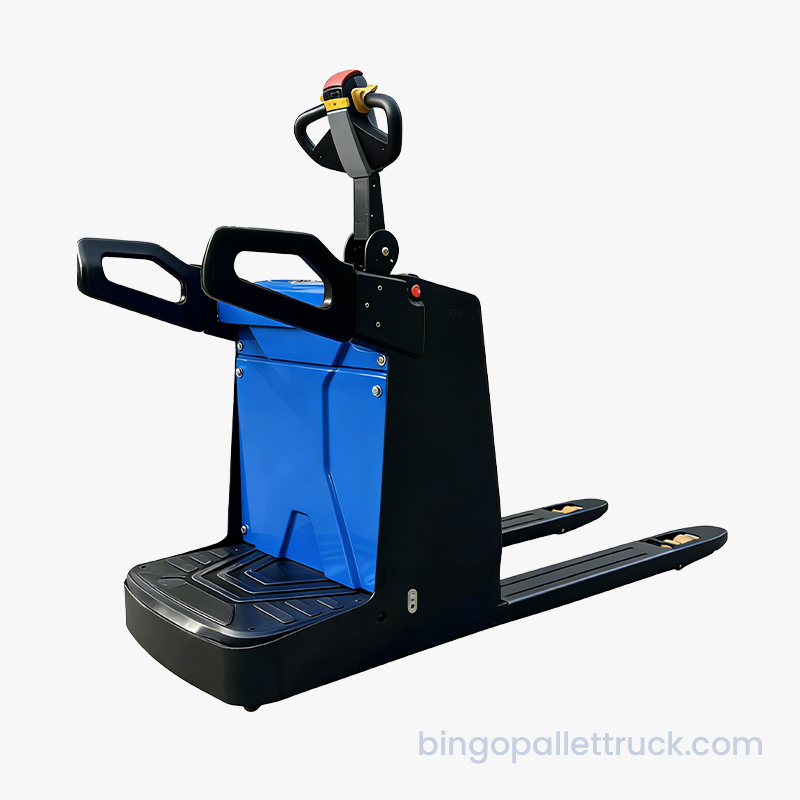
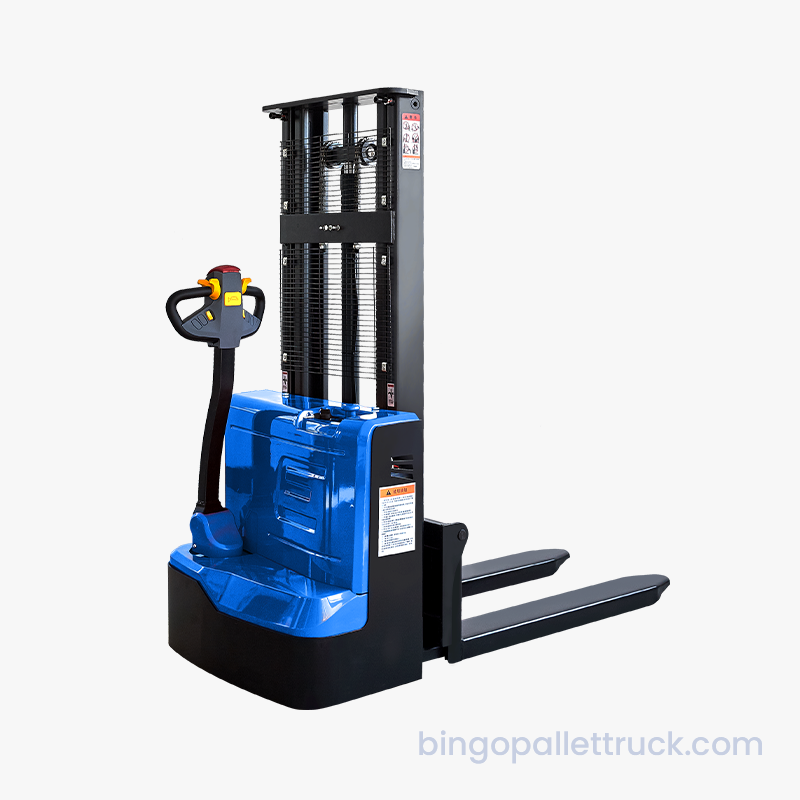
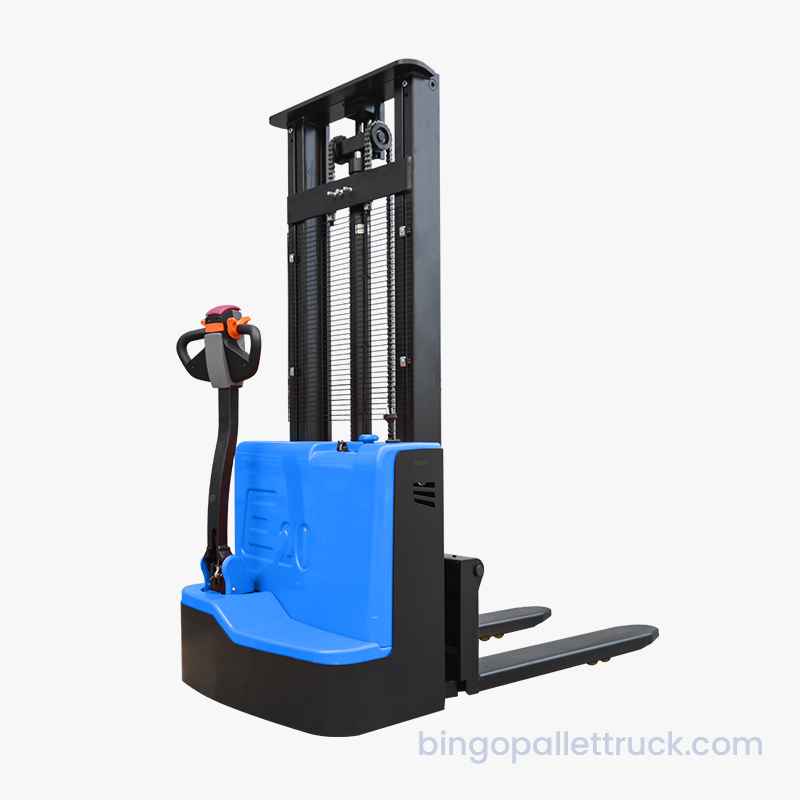
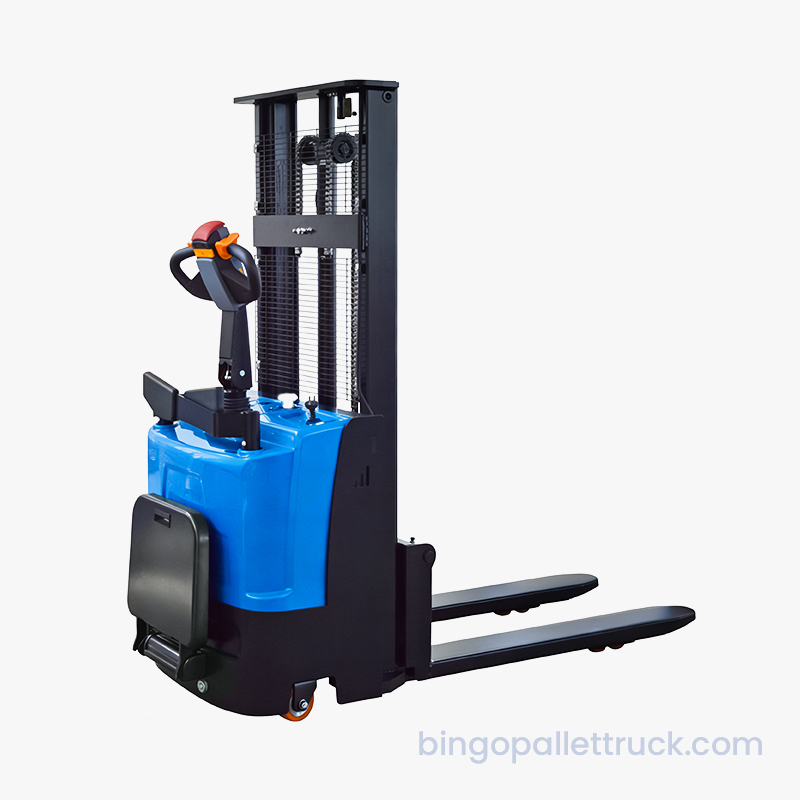
Bingo es una empresa especializada en la producción, venta y servicio de equipos de almacenamiento y logística. Centrándose en las necesidades de equipos de diversos escenarios de almacenamiento y logística. , Bingo ofrece a los clientes globales soluciones integradas y integrales para el almacenamiento y manipulación de materiales, desde el diseño y suministro de sistemas de estanterías para palés hasta proyectos completos de equipamiento de almacenes llave en mano.
Ya sea que el requisito sea una sencilla instalación selectiva de estanterías para un centro de distribución regional, un sistema drive-in de alta densidad para una cámara frigorífica o una solución integrada de manipulación automatizada de palés para una operación de cumplimiento de alto rendimiento, el equipo de especialistas en almacenamiento de Bingo aporta la experiencia técnica y la gama de productos para ofrecer un sistema de almacenamiento que se adapta exactamente a las necesidades operativas, las limitaciones de espacio y los planes de crecimiento a largo plazo del cliente.

Derechos de autor © Yancheng Bingo Machinery Equipment Co., Ltd. Todos los derechos reservados Fabricante de equipos de logística para almacenes Proveedor de transpaletas
